
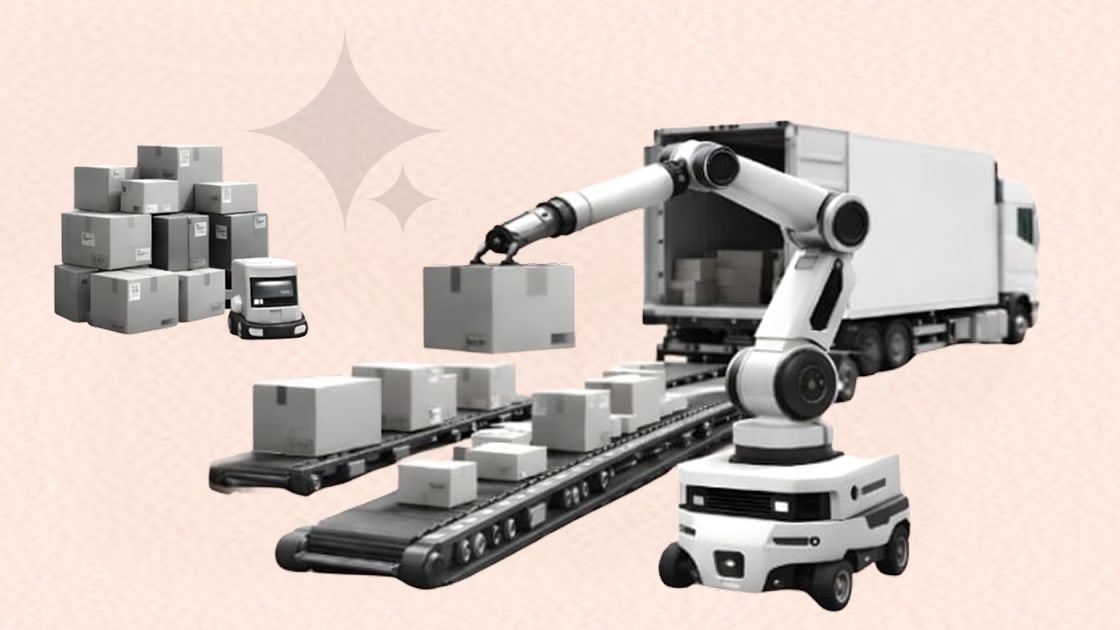
Introduction: The Real Problem Isn’t Inventory, It’s Decision Latency
Inventory doesn’t fail because of demand.
It fails because decisions come too late.
In today’s fast-moving supply chains, even a few hours of delay can lead to stockouts, overstocking, or lost revenue.
Every day, thousands of micro-decisions determine whether products are available, delayed, or wasted. Yet in most enterprises, these decisions are still slow, fragmented, and reactive.
Inventory management is no longer just about tracking stock.
It’s about how fast your system can think and act.
What Is Autonomous Inventory Management?
Autonomous inventory management uses AI-driven systems to:
Continuously monitor inventory in real time
Predict demand dynamically
Make decisions without human intervention
Automatically execute actions like replenishment and redistribution
Instead of relying on dashboards and manual decisions, businesses move toward self-operating inventory systems.
The Reality: Visibility Exists, But Action Doesn’t
Modern enterprises already have:
Warehouse management systems
RFID and IoT tracking
Forecasting tools
Real-time dashboards
Data is everywhere.
But action is not.
The result:
One warehouse overflows while another runs out of stock
Forecasts fail to keep up with real-time demand
Teams manually validate data before acting
Decisions take hours or even days
And by the time action happens, the loss has already occurred.
Industry Impact:
Up to 30% revenue loss due to stockouts
15–25% increase in holding costs
Persistent gaps in real-time coordination
The core issue: Data visibility ≠ , intelligent action
Why Traditional Inventory Systems Fail
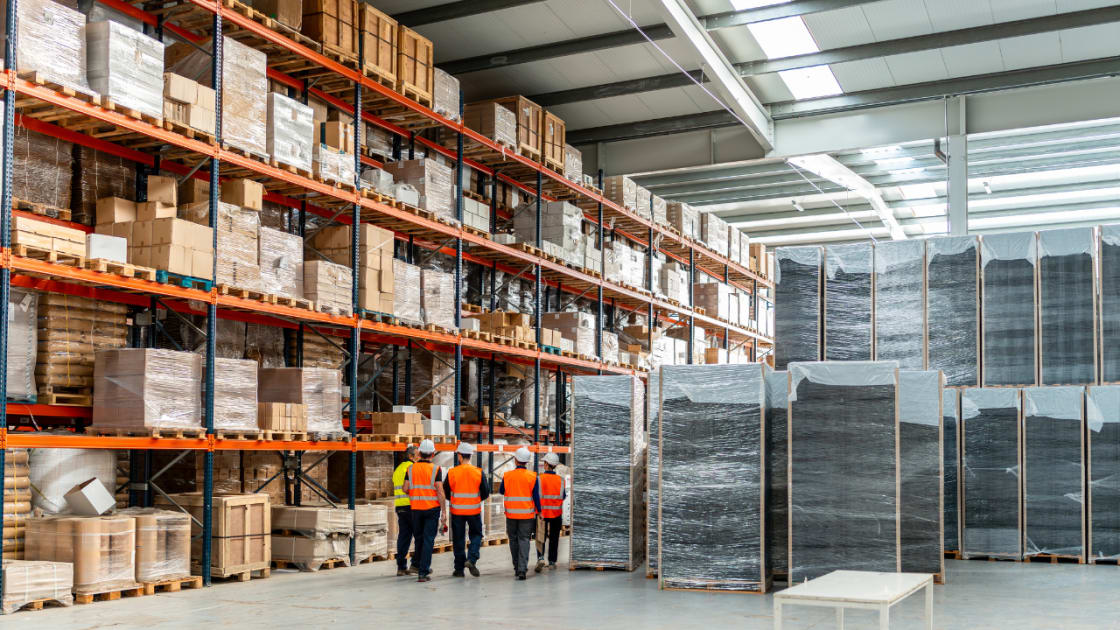
Most systems are built to answer:
“What is happening?”
But modern supply chains need:
“What should happen next—and execute it instantly.”
The gap:
Insights without execution
Alerts without automation
Data without decision-making
This creates delays, inefficiencies, and lost opportunities.
The Shift: From Insight to Autonomous Execution
The future of inventory management is simple:
Visibility → Decision → Execution
But most enterprises are still stuck at step one.
To compete, businesses must move toward systems that don’t just inform—but act.
How SNS Square Enables Autonomous Inventory
At SNS Square, we don’t build dashboards.
We build systems that act.
Our approach combines:
Databricks → Unified Data Foundation
Agentic AI → Autonomous Decision Layer
1. Unifying Data with Databricks
The biggest challenge isn’t lack of data, it’s fragmentation.
Inventory data lives across:
Warehouse databases
Logistics platforms
Demand channels
We unify this using a Lakehouse architecture on Databricks, enabling:
Real-time data integration
Structured and unstructured data processing
A single source of truth
This becomes the foundation for intelligent execution.
2. Enabling Autonomous Decisions with Agentic AI
Once data is unified, dashboards are not enough.
You need systems that act.
Our Agentic AI systems:
Predict demand in real time
Dynamically manage replenishment
Balance inventory across locations
Detect and resolve exceptions instantly
These systems don’t wait.
They decide. They act.
Real-World Impact: From Fragmentation to Orchestration
When AI and data work together, inventory becomes:
Self-adjusting
Real-time responsive
Fully synchronised across systems
Example Outcome:
A recent deployment reduced inventory imbalance by 30% within weeks, while improving product availability across multiple locations.
Business Impact of Autonomous Inventory Systems
Organisations adopting this model see:
Reduced excess inventory
Higher product availability
Faster response to demand changes
Lower operational costs
Reduced manual effort and errors
Scalable, future-ready operations
The SNS Square Advantage
Most companies implement tools.
We build autonomous systems.
With 1500+ AI agents deployed, SNS Square enables:
Context-aware decision-making
Region-specific adaptability
Continuous system optimization
Our focus is clear:
Move enterprises from data-driven → action-driven
The Future: Autonomous Operations
Inventory systems are evolving into:
Self-monitoring
Self-deciding
Self-executing
The question isn’t whether this shift will happen.
It’s whether your business is ready for it.
Conclusion: From Management to Autonomy
Inventory is transforming:
Tracking → Predicting → Acting
The winners won’t be companies with more data.
They’ll be the ones whose systems act on it instantly.
Ready to Move Beyond Inventory Management?
If your inventory systems still rely on dashboards and manual decisions, you’re already behind.
See how autonomous inventory can transform your operations.
Book a demo with SNS Square today.
FAQ: Autonomous Inventory Management
What is inventory automation?
Inventory automation uses technology and AI to manage stock levels, replenishment, and tracking with minimal human intervention.
How does AI reduce stockouts?
AI predicts demand patterns in real time and ensures timely replenishment, preventing shortages.
What is Agentic AI in the supply chain?
Agentic AI refers to systems that can independently make decisions and take actions without constant human input.
Comments0
Please login to join the conversation
Be the first to comment!