
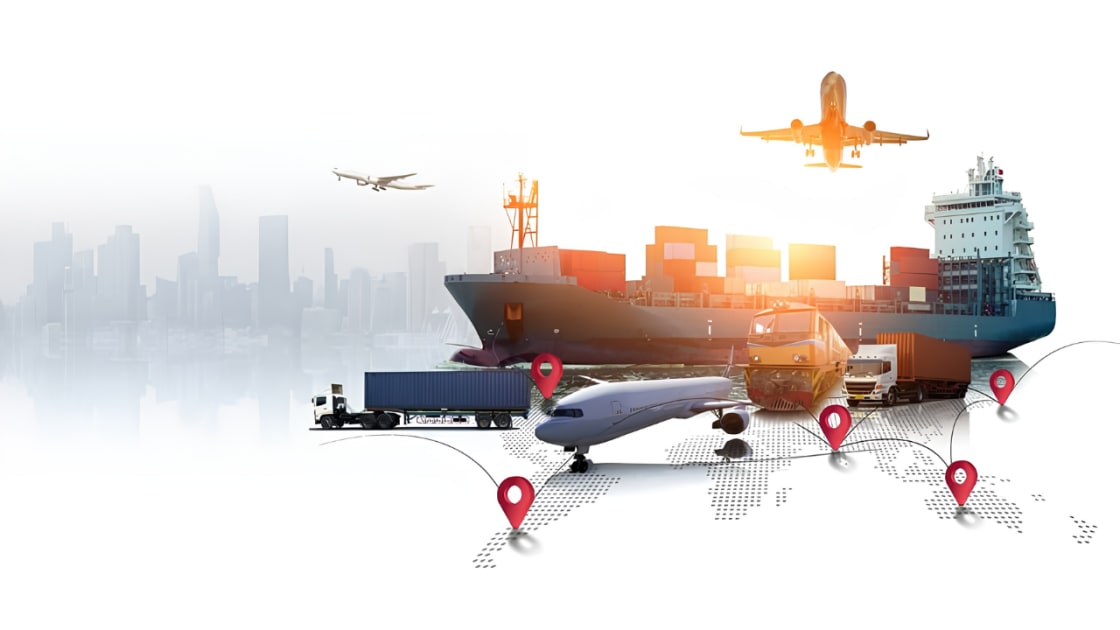
Speed, precision, and adaptability define modern logistics. Yet, many supply chains still rely on static routing systems that struggle to handle real-time disruptions. Traffic congestion, fuel inefficiencies, and last-mile uncertainties often lead to delays and rising operational costs.
This is where a Logistics Routing Agent powered by agentic AI, redefines how deliveries are planned and executed. Instead of reacting to problems, businesses can now predict, optimize, and act instantly. The result: faster shipping, lower costs, and a smarter supply chain.
The Challenge in Today’s Logistics
Traditional routing systems operate on fixed schedules and predefined paths. While effective in stable conditions, they fail in dynamic, real-world environments.
Common challenges include:
Traffic congestion and route disruptions
Inefficient fuel usage and rising costs
Underutilized fleet capacity
Lack of real-time visibility
Even with access to large volumes of data, decision-making is often delayed. The gap is not data, it is the ability to act on it in real time.
What Is a Logistics Routing Agent?
A Logistics Routing Agent is an intelligent system built using agentic AI that continuously optimizes delivery routes. Unlike traditional software, it doesn’t just assist, it autonomously decides and executes.
Core capabilities:
Real-time data ingestion (traffic, weather, GPS, orders)
AI-driven route optimization
Autonomous communication with drivers and systems
Continuous learning from historical patterns
This transforms routing into a dynamic, always-evolving process.
How It Works
The Logistics Routing Agent functions as a real-time decision engine:
Real-Time Optimization: Selects the most efficient route based on live conditions
Predictive Routing: Anticipates delays and reroutes proactively
Autonomous Execution: Instantly updates drivers and fleet systems
Continuous Learning: Improves accuracy and efficiency over time
This ensures that logistics operations are always aligned with current conditions.
Business Impact
Implementing a Logistics Routing Agent delivers tangible results:
Faster Deliveries: Reduced transit time improves customer satisfaction
Cost Efficiency: Lower fuel consumption and optimized fleet usage
Operational Visibility: End-to-end tracking and insights
Scalability: Easily manages increasing delivery volumes
Resilience: Maintains performance during disruptions
These benefits make logistics a strategic advantage rather than just an operational function.
SNS Square Perspective: Scaling with Agentic AI
From SNS Square’s perspective, the future of logistics lies in connected intelligence powered by agentic AI. Their approach focuses on building scalable ecosystems of intelligent agents that work together seamlessly.
With access to 1500+ agents, SNS Square enables organizations to deploy specialized AI solutions across multiple functions, not just logistics. The Logistics Routing Agent becomes one part of a broader, integrated system that includes inventory, forecasting, and operations.
A key enabler of this transformation is the Global Capability Center (GCC) model. Through GCCs, enterprises can centralize innovation, scale AI adoption, and ensure consistent performance across regions.
SNS Square’s approach emphasizes:
Building scalable AI ecosystems with 1500+ agents
Leveraging GCC frameworks for enterprise-wide deployment
Enabling real-time, autonomous decision-making
Seamless integration across supply chain functions
This ensures that logistics optimization is not isolated but part of a unified, intelligent enterprise strategy.
Practical Use Case: Last-Mile Optimization
Consider a company managing high-volume daily deliveries.
Without AI-driven routing:
Routes are fixed and inflexible
Drivers respond to issues after they occur
Delivery timelines become inconsistent
With a Logistics Routing Agent:
Routes adjust dynamically in real time
Drivers receive optimized navigation instantly
Deliveries are faster, predictable, and efficient
The impact is immediate, reduced delays, improved service levels, and better resource utilization.
Why It Matters Now
In today’s competitive environment, logistics performance directly influences customer experience and business growth. Companies that adopt agentic AI gain a significant edge by enabling:
Faster order fulfillment
Reduced operational costs
Improved sustainability through optimized fuel usage
The combination of GCC-driven scalability, 1500+ agents, and intelligent routing systems creates a powerful foundation for future-ready supply chains.
Conclusion
The Logistics Routing Agent is more than a technological upgrade, it is a shift toward intelligent, autonomous logistics. By leveraging agentic AI, businesses can move from reactive planning to real-time optimization.
With frameworks like GCC and access to 1500+ agents, organizations can scale these capabilities across their entire supply chain, unlocking new levels of efficiency and performance.
In a world where speed and reliability define success, smarter routing is not optional, it is essential.
Comments0
Please login to join the conversation
Be the first to comment!