
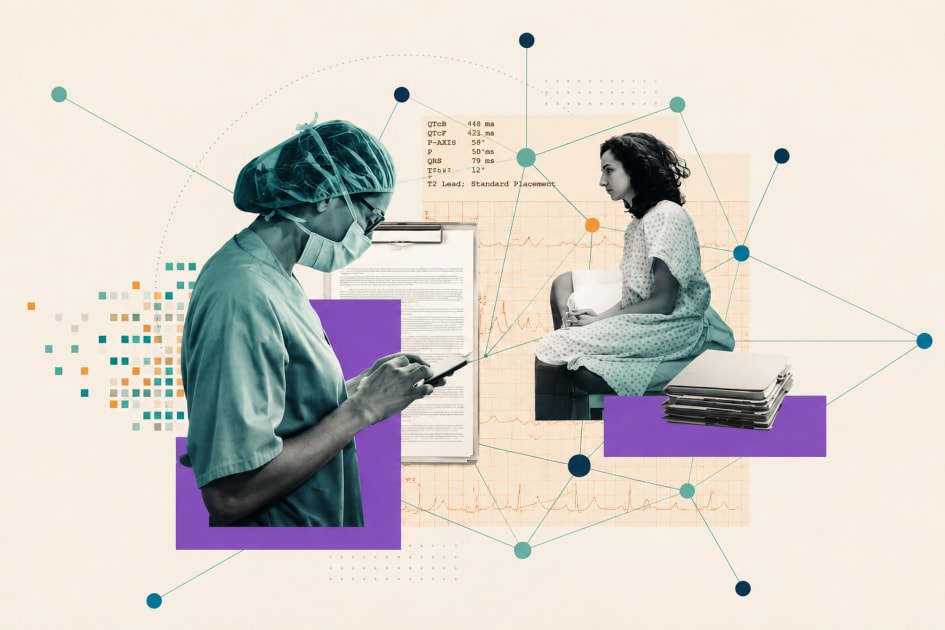
Healthcare no longer begins and ends inside hospital rooms.
As patient expectations evolve and chronic conditions continue to rise globally, healthcare providers are under increasing pressure to deliver continuous, proactive, and connected care beyond traditional clinical environments. The challenge is no longer only about treating patients when they arrive at a hospital. It is about monitoring health conditions in real time, identifying risks earlier, and enabling faster medical intervention before situations become critical.
This is where Remote Monitoring Agents powered by Agentic AI are reshaping the future of healthcare delivery.
The Growing Need for Continuous Patient Monitoring
Patients today spend only a small portion of their recovery or treatment journey inside healthcare facilities. Most care happens remotely at home, during rehabilitation, or while managing long-term conditions independently.
However, without continuous monitoring, healthcare providers often face critical visibility gaps.
Small changes in patient health conditions can go unnoticed for hours or even days. Delayed responses increase the risk of complications, emergency admissions, and preventable deterioration. Traditional healthcare systems remain largely reactive, responding only after symptoms become severe.
For hospitals and healthcare organizations, this creates operational challenges such as:
Delayed identification of critical conditions
Increased emergency care pressure
Higher readmission rates
Reduced efficiency in patient management
Limited real-time visibility into patient health status
The healthcare industry is now shifting toward intelligent, proactive care models powered by real-time data and AI-driven decision systems.
Introducing the Remote Monitoring Agent
A Remote Monitoring Agent is an AI-powered healthcare system designed to continuously monitor patient vitals, analyze health patterns, and alert medical teams instantly when abnormalities are detected.
Unlike traditional monitoring systems that rely heavily on manual observation, intelligent AI agents continuously evaluate incoming patient data in real time.
These agents can monitor:
Heart rate
Blood pressure
Oxygen saturation levels
Respiratory conditions
Temperature fluctuations
Recovery progress indicators
By combining real-time health data with predictive intelligence, Remote Monitoring Agents help healthcare providers move from reactive treatment toward proactive patient care.
How Agentic AI Enhances Remote Healthcare
Traditional monitoring platforms primarily collect data. Agentic AI introduces a more advanced layer of intelligence and decision-making.
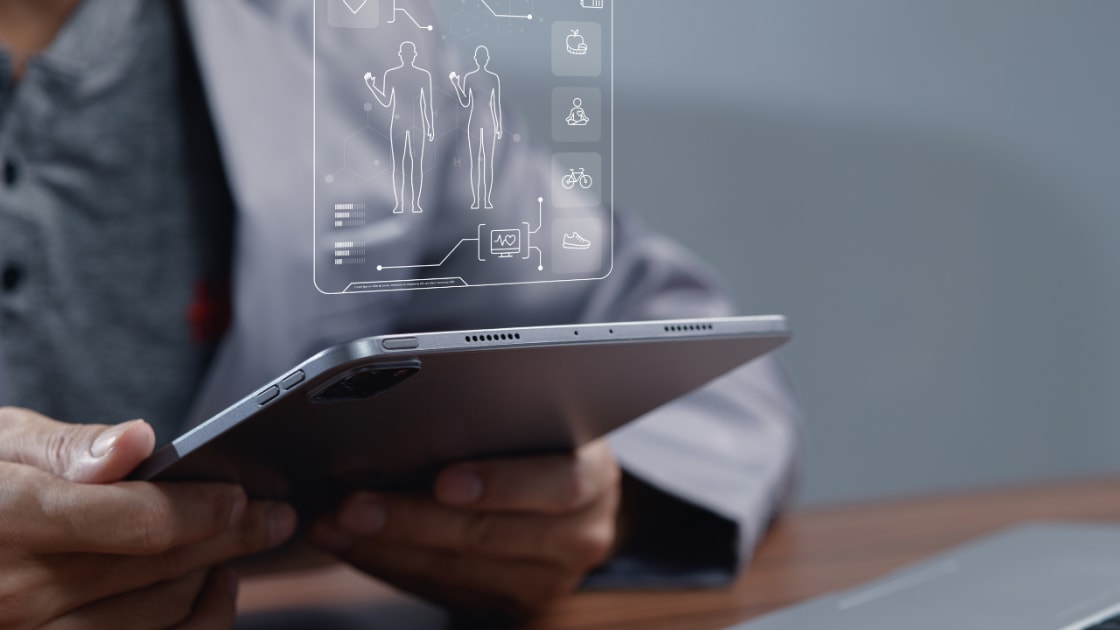
Remote Monitoring Agents can:
Detect Health Abnormalities Instantly
AI agents continuously analyze patient vitals and identify unusual patterns before they escalate into critical conditions.
Enable Faster Clinical Response
Medical teams receive real-time alerts when intervention is required, reducing delays in treatment.
Support Predictive Healthcare
Instead of waiting for emergencies, healthcare providers can proactively address risks based on AI-driven health insights.
Improve Care Coordination
AI agents help coordinate communication between doctors, nurses, caregivers, and healthcare systems for seamless patient management.
Deliver Continuous Care Beyond Hospitals
Patients remain connected to healthcare providers remotely while receiving personalized and uninterrupted monitoring support.
This creates a more connected and responsive healthcare ecosystem.
The Business and Clinical Impact
Healthcare organizations adopting AI-powered Remote Monitoring Agents are seeing measurable improvements across both patient outcomes and operational efficiency.
Improved Patient Outcomes
Continuous monitoring enables earlier intervention and faster medical response.
Reduced Emergency Risks
Real-time alerts help prevent critical escalations and avoidable emergency admissions.
Lower Readmission Rates
Proactive monitoring supports smoother recovery and better long-term care management.
Enhanced Operational Efficiency
Automated monitoring reduces manual workload for healthcare staff while improving care visibility.
Better Patient Experience
Patients receive connected care from the comfort of their homes while maintaining confidence in ongoing medical supervision.
The Future of Connected Healthcare
Remote healthcare is becoming a foundational component of modern healthcare systems.
As wearable devices, IoT-enabled medical technologies, and AI-powered healthcare ecosystems continue to evolve, Remote Monitoring Agents will play a central role in enabling intelligent, scalable, and patient-centered healthcare delivery.
Future healthcare environments will increasingly rely on AI agents that can:
Predict health risks proactively
Coordinate patient care autonomously
Optimize hospital resource utilization
Enable personalized healthcare journeys
Improve long-term chronic disease management
The shift is no longer about digitizing healthcare processes alone. It is about building intelligent healthcare ecosystems that continuously support patients wherever they are.
Conclusion
Remote Monitoring Agents powered by Agentic AI are redefining how healthcare organizations deliver care beyond hospital walls.
By enabling continuous monitoring, predictive intelligence, and faster clinical response, these AI-driven systems help healthcare providers improve patient outcomes, reduce operational strain, and deliver more connected healthcare experiences.
The future of healthcare will not rely solely on hospital infrastructure. It will depend on intelligent systems capable of delivering proactive, continuous, and human-centered care anytime and anywhere.
Comments0
Please login to join the conversation
Be the first to comment!