
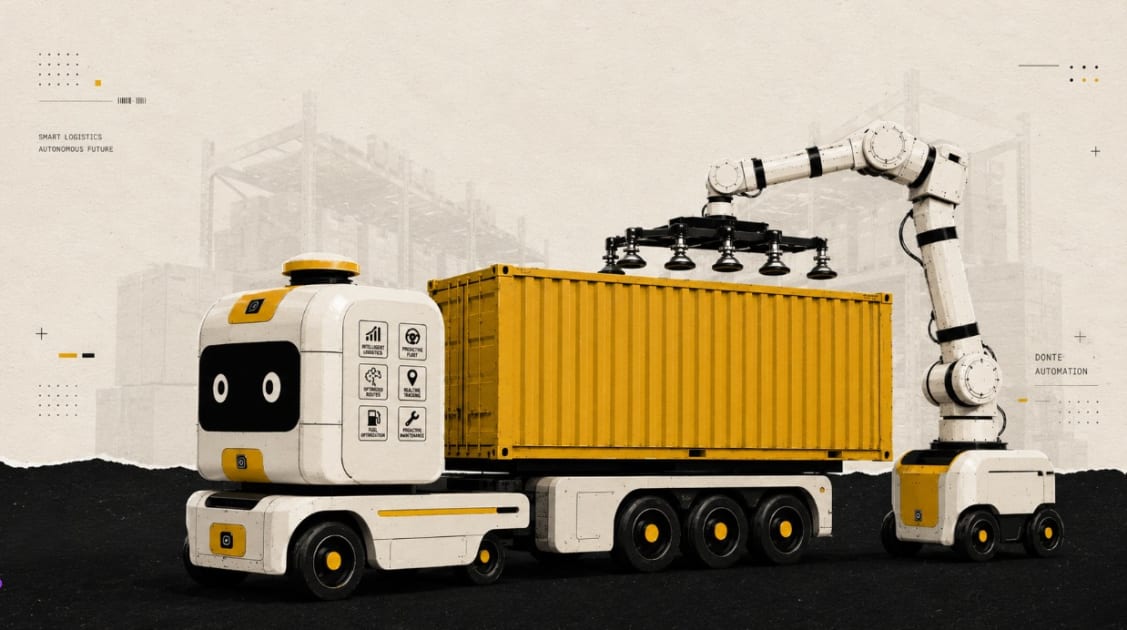
The transportation industry is experiencing a fundamental shift as organizations embrace AI-driven solutions to improve efficiency, reduce costs, and enhance operational resilience. Rising fuel prices, growing customer expectations, supply chain disruptions, and increasing pressure for sustainable operations are driving transportation providers to rethink how people, products, and services move across global networks.
Artificial Intelligence is emerging as a critical enabler of this transformation. From predictive logistics and fleet optimization to intelligent route planning and real-time operational monitoring, AI is helping transportation organizations make faster, smarter and more proactive decisions.
Why Transportation Needs AI Now
Modern transportation networks generate vast amounts of data from vehicles, sensors, GPS systems, weather platforms, traffic infrastructure, and customer interactions. Yet many organizations still struggle to convert this data into actionable insights.
Common industry challenges include:
Rising operational and fuel costs
Delivery delays and route inefficiencies
Vehicle downtime and maintenance issues
Supply chain disruptions
Driver shortages and workforce challenges
Increasing sustainability requirements
AI helps transportation companies address these challenges by turning real-time data into intelligent operational decisions.
AI Is Transforming Logistics Operations
Traditional logistics planning often relies on historical data and manual decision-making. However, transportation conditions can change within minutes due to traffic, weather disruptions, infrastructure issues, or shifting customer demand.
AI-powered logistics platforms continuously analyze:
Traffic conditions
Weather forecasts
Vehicle locations
Delivery schedules
Customer demand patterns
Fuel consumption trends
This enables transportation teams to optimize routes dynamically, improve delivery accuracy, and reduce operational costs.
Organizations implementing AI-driven logistics solutions are experiencing faster deliveries, improved customer satisfaction, and greater supply chain visibility.
Smarter Fleet Management Through AI
Fleet management is becoming increasingly intelligent through AI-powered monitoring and automation.
Modern AI systems can provide real-time insights into:
Vehicle utilization
Driver performance
Fuel efficiency
Compliance monitoring
Maintenance requirements
Instead of reacting to operational issues after they occur, transportation leaders can proactively identify risks and take corrective action before disruptions impact performance.
This shift enables organizations to improve fleet productivity while reducing maintenance expenses and operational inefficiencies.
Predictive Maintenance Reduces Downtime
Unexpected equipment failures remain one of the most costly challenges for transportation providers.
AI-powered predictive maintenance solutions continuously monitor vehicle health using sensor-generated data. By identifying early warning signs of component failures, organizations can address issues before breakdowns occur.
Predictive maintenance helps transportation companies:
Reduce unplanned downtime
Extend vehicle lifespan
Lower repair costs
Improve operational reliability
Enhance driver and passenger safety
As transportation networks become increasingly connected, predictive maintenance is quickly becoming a core component of intelligent fleet operations.
The Rise of Agentic AI in Transportation
The next evolution of transportation intelligence is being driven by Agentic AI.
Unlike traditional automation systems that perform predefined tasks, Agentic AI systems can monitor, analyze, decide, and execute actions autonomously across complex transportation workflows.
Agentic AI can support:
Autonomous logistics coordination
Real-time route optimization
Fleet performance monitoring
Predictive disruption management
Resource allocation decisions
Transportation workflow orchestration
These intelligent systems help organizations move from reactive operations to proactive and self-optimizing transportation ecosystems.
Building Intelligent Mobility Ecosystems
As transportation networks become more connected, organizations are increasingly investing in intelligent mobility platforms that integrate:
Logistics operations
Fleet management systems
Traffic intelligence
Supply chain monitoring
Predictive analytics
AI-powered decision support
The goal is not simply automation but creating adaptive transportation ecosystems capable of responding to changing conditions in real time.
How SNS Square Supports Transportation Transformation
At SNS Square, we help transportation and logistics organizations build intelligent AI-powered solutions designed to improve operational efficiency, visibility, and scalability.
Our capabilities include:
Agentic AI solutions
Predictive logistics platforms
Fleet intelligence systems
AI-powered operational monitoring
Intelligent workflow automation
Transportation analytics solutions
By combining domain expertise with advanced AI technologies, organizations can create transportation ecosystems that are more agile, resilient, and data-driven.
The Road Ahead
The future of transportation will be defined by intelligence, automation, and real-time decision-making. Organizations that successfully integrate AI into logistics, fleet operations, and mobility management will be better positioned to reduce costs, improve service delivery, and adapt to changing market conditions.
As AI adoption accelerates, transportation is evolving from a traditionally reactive industry into a predictive and intelligent ecosystem where decisions happen faster, operations become more efficient, and businesses gain a sustainable competitive advantage.
Comments0
Please login to join the conversation
Be the first to comment!