
AI Emerges as First Stop for Health Queries as Self-Diagnosis Rises
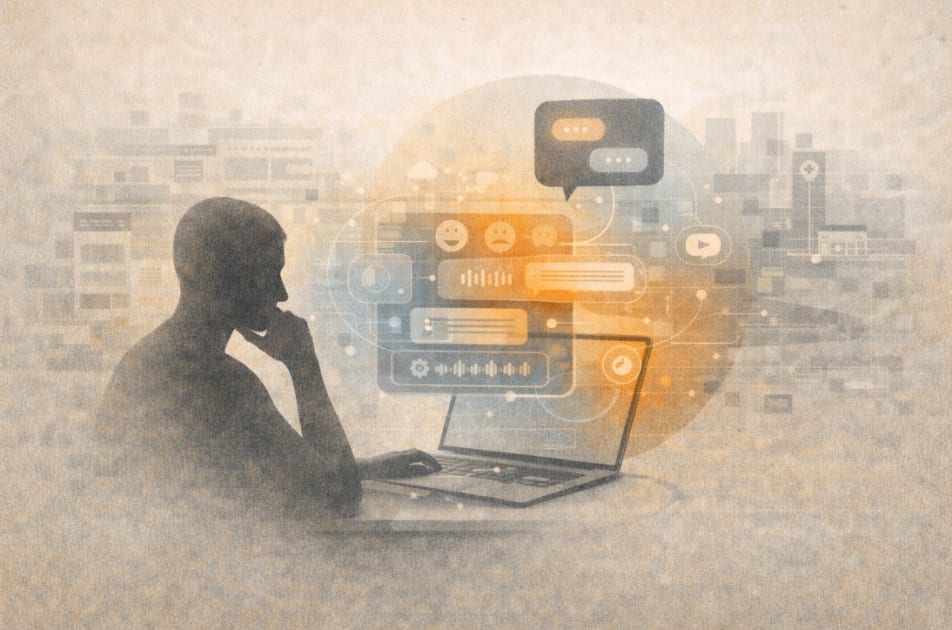
Artificial intelligence is quietly transforming how people understand and manage their health. What was once a quick Google search has evolved into conversational, context-aware AI interactions that many now treat as a first step in medical decision-making.
A recent nationwide study in the UK reveals a striking shift: nearly six in ten adults now rely on AI tools to self-diagnose health conditions. From symptom checks and side-effect explanations to lifestyle guidance and mental health support, AI is increasingly filling gaps left by overstretched healthcare systems.
This trend signals more than convenience. It reflects changing expectations around access, speed, and autonomy in healthcare.
Why People Are Turning to AI for Health Answers
Access to primary healthcare has become a growing challenge in many countries. In the UK, average GP appointment wait times have stretched to around ten days, and in some cases even longer. For many individuals, especially when symptoms feel urgent or ambiguous, waiting is not an option.
As a result, health-related AI searches have surged. Queries such as “what is my illness,” “what are these symptoms,” and “possible side effects” have increased sharply over the past year. AI platforms offer immediate responses, structured explanations, and follow-up guidance that feels personalised, even if it is not diagnostic.
Younger demographics are leading this shift. While adoption among those over 65 is rising steadily, usage is highest among people aged 18 to 24, with a majority regularly consulting AI tools for health-related questions. For them, AI feels like a natural extension of how information is accessed.
How AI Is Being Used for Self-Diagnosis
People are not using AI for a single purpose. Instead, usage spans multiple health-related needs:
Symptom checking and condition awareness
Understanding medication side effects
Lifestyle and wellness guidance
Mental health coping strategies and emotional support
For some users, AI acts as a low-pressure alternative to face-to-face conversations, particularly when discussing sensitive topics. Others value the ability to explore options privately before deciding whether professional care is needed.
In many cases, AI is not replacing doctors, but serving as an initial filter, helping users articulate concerns more clearly when they do seek medical advice.
Perceived Benefits and Real Motivations
Speed is a major driver. Many users believe AI provides faster guidance than waiting for appointments, especially when they are unwilling to delay decisions that affect their health or their family’s well-being.
Comfort is another factor. A significant number of people report feeling more at ease interacting with AI than discussing symptoms in person, particularly younger users. Cost considerations also play a role, with some seeing AI as a way to avoid or delay expensive private consultations.
Interestingly, the perceived impact is not evenly distributed. Individuals from underrepresented or non-binary communities report particularly positive experiences, suggesting AI may be filling gaps where traditional healthcare interactions feel less accessible or inclusive.
Where Caution Still Matters
Despite the growing reliance on AI, most users acknowledge its limitations. AI-generated health insights are not diagnoses, and accuracy depends heavily on the quality of inputs and context.
Healthcare professionals continue to emphasise that AI should support, not replace, medical expertise. Certain conditions can worsen without timely professional intervention, and only qualified clinicians can provide definitive diagnoses and treatment plans.
Encouragingly, many users see AI as a stepping stone rather than an endpoint. Self-diagnosis often prompts follow-up visits, armed with better questions and clearer understanding.
The Role of AI Platforms in Health Awareness
This shift in behaviour coincides with the launch of new AI features designed specifically for health contexts. Platforms such as ChatGPT Health now allow users to connect wellness data and medical records to receive more personalised explanations.
Importantly, these tools clearly position themselves as non-diagnostic, focusing on education, understanding, and wellness tracking rather than medical decision-making. This distinction will be critical in maintaining trust as AI adoption grows.
What This Means for the Future of Healthcare
The rise of AI-assisted self-diagnosis raises important questions about trust, responsibility, and the evolving relationship between patients and healthcare systems.
For healthcare providers, insurers, and technology builders, the opportunity lies in designing AI systems that are transparent, ethically governed, and aligned with clinical workflows.
Across ecosystems such as India’s Global Capability Centres and AI innovation hubs, including organisations like SNS Square Bengaluru, there is growing focus on building responsible, context-aware Agentic AI systems that support decision-making without undermining human expertise.
Final Perspective
AI is becoming a first touchpoint in healthcare journeys, not because people distrust doctors, but because they need faster clarity in an increasingly complex world.
The challenge ahead is not stopping this shift, but guiding it responsibly. When AI empowers users to understand their health better and seek care earlier, it becomes an ally to healthcare systems, not a threat.
The future of healthcare will not be human or AI alone. It will be built at the intersection of both, where technology informs, clinicians decide, and trust remains central.
Comments0
Please login to join the conversation
Be the first to comment!