
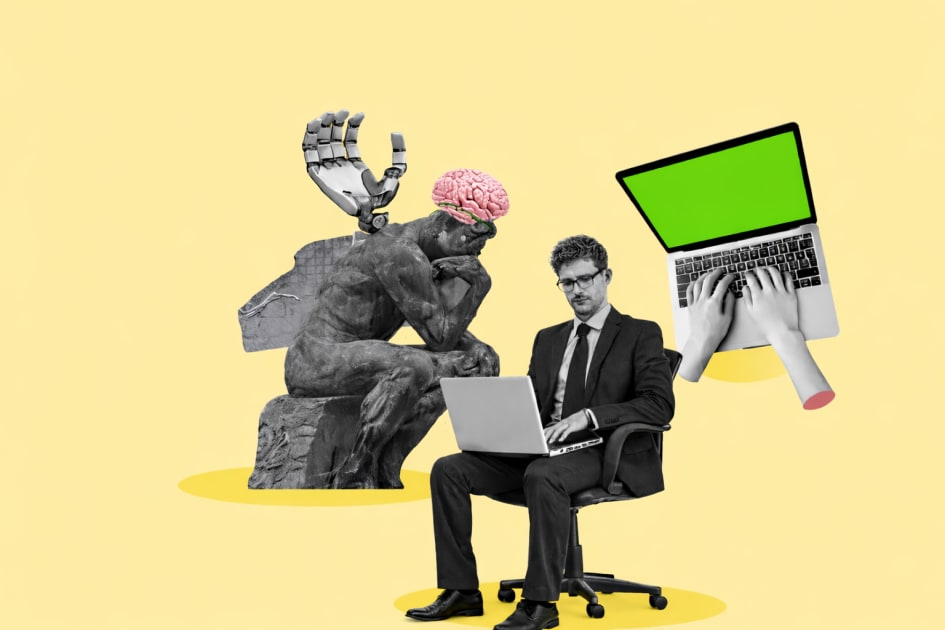
In boardrooms across the world, leaders face a paradox. Organizations have never had more data, from markets, customers, operations, and competitors, yet strategic clarity often remains elusive. Dashboards proliferate, reports multiply, and analytics teams grow, but decisions still lag behind reality. The gap is not about access to information; it is about the ability to transform fragmented signals into timely, actionable insight.
This is where strategic AI agents are redefining enterprise decision-making. Unlike traditional analytics tools that present historical views, these systems interpret live data streams, anticipate change, and recommend actions. They operate less like software and more like digital strategists embedded within the organization.
At SNS Square, this shift is seen as a foundational step toward true enterprise intelligence — moving from descriptive analytics to decision intelligence.
From Information Overload to Strategic Clarity
Modern enterprises track thousands of variables simultaneously: commodity prices, geopolitical risks, consumer sentiment, supply chain disruptions, regulatory changes, and competitor activity. Human teams cannot continuously monitor and synthesize such complexity.
Strategic AI agents solve this by functioning as always-on analysts. They ingest structured and unstructured data, detect patterns, evaluate potential scenarios, and surface insights that matter. Instead of asking, “What happened last quarter?” executives can ask, “What is likely to happen next, and what should we do now?”
This marks a transition from reporting to foresight.
Decision Intelligence as a Competitive Advantage
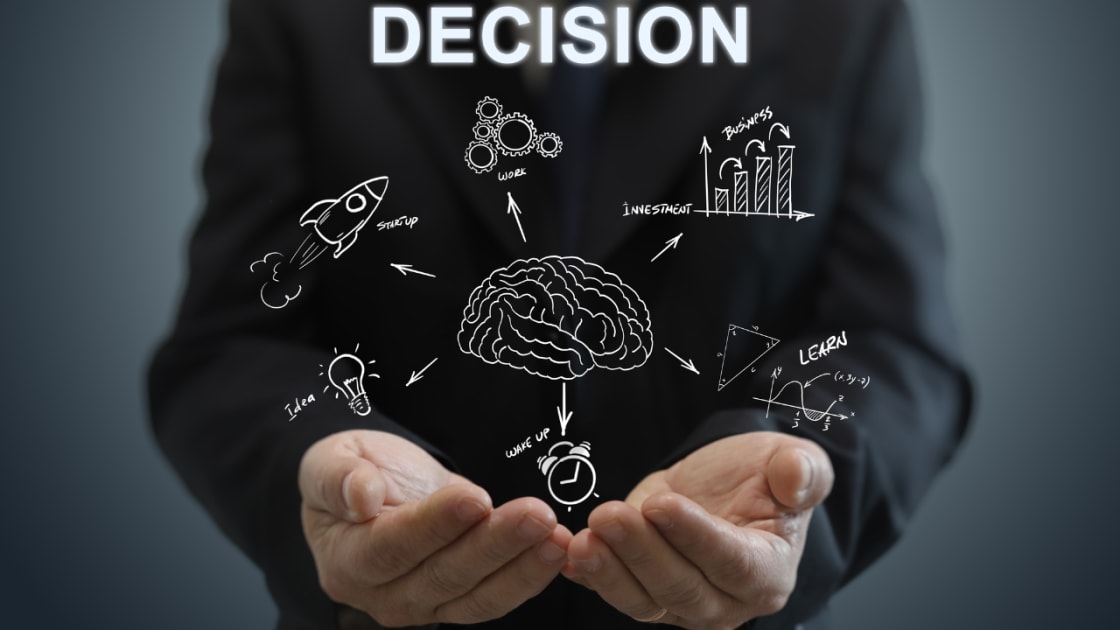
In fast-moving markets, speed and accuracy of decision-making often determine market leadership. Companies that recognize shifts early can reposition supply chains, pricing strategies, and investments ahead of competitors.
AI agents enhance this capability by:
Monitoring external market signals in real time
Detecting weak signals before they become trends
Simulating strategic scenarios
Recommending optimal responses
Continuously learning from outcomes
This transforms predictive analytics AI into a practical executive tool rather than a technical exercise.
Within enterprise AI transformation programs, such capabilities are becoming central to strategic planning rather than supplementary to it.
The Rise of Always-On Strategy Systems
Traditional strategy cycles operate quarterly or annually. However, markets now evolve continuously. Strategic AI agents enable organizations to move toward dynamic strategy, a model where decisions adapt as conditions change.
These agents can integrate data across functions:
Financial indicators and capital markets
Customer demand patterns
Supplier performance and logistics signals
Regulatory developments
Competitive intelligence
By synthesizing these inputs, they provide a holistic view that no single department can achieve independently.
This cross-functional awareness is particularly powerful in complex global organizations and GCC-driven operating models, where decision latency can otherwise slow response times.
Use Case: Manufacturing Strategy Agent in Action
Consider a global manufacturing firm operating across multiple regions. Its performance depends on volatile commodity prices, shipping conditions, labor availability, and fluctuating demand.
A strategy agent deployed across the enterprise continuously monitors:
Raw material price movements
Energy costs
Supplier reliability metrics
Shipping delays and port congestion
Demand forecasts across markets
Currency fluctuations
Competitor production signals
When early indicators suggest a supply shortage or demand shift, the agent evaluates options such as adjusting production schedules, reallocating inventory, renegotiating contracts, or shifting sourcing strategies.
Instead of reacting after disruption occurs, leadership receives proactive recommendations with quantified impact scenarios. This transforms strategy from reactive crisis management to anticipatory control.
Beyond Analytics: From Insight to Action
The real power of strategic AI agents lies not only in analysis but in orchestration. Advanced systems can trigger workflows, coordinate across departments, and track execution outcomes.
For example, a recommendation to increase production in one region may automatically initiate:
Procurement adjustments
Logistics planning
Workforce scheduling
Financial impact projections
This bridges the long-standing gap between insight generation and operational execution.
Organizations pursuing enterprise AI transformation increasingly view this capability as essential for resilience and agility.
Managing Risk and Uncertainty
Strategic decisions always involve uncertainty. AI agents improve decision quality by quantifying risk across scenarios. Instead of binary forecasts, they provide probability-weighted outcomes, enabling leaders to make informed trade-offs.
In sectors such as manufacturing, energy, finance, and healthcare, this ability can prevent costly missteps and unlock new growth opportunities.
Moreover, by continuously updating models with new data, agents remain aligned with real-world conditions rather than outdated assumptions.
Human Leadership, Amplified
Despite their sophistication, strategic AI agents do not replace executives. They augment human judgment. Leaders retain responsibility for vision, ethics, stakeholder alignment, and long-term direction.
The most effective organizations treat AI as a strategic partner, one that expands situational awareness and accelerates analysis while leaving final decisions to human leadership.
At SNS Square, this human-centered approach is considered critical for sustainable adoption of decision intelligence technologies.
The Future of Business Strategy
As competitive cycles accelerate, companies that rely solely on periodic analysis will struggle to keep pace. The future belongs to organizations that operate with continuous strategic awareness.
AI for business strategy is evolving from experimental pilot projects to core infrastructure. Strategic AI agents represent the next stage: systems that convert raw data into foresight, foresight into recommendations, and recommendations into coordinated action.
In an environment where uncertainty is the only constant, the ability to see emerging risks and opportunities first may be the ultimate competitive advantage.
Businesses that harness decision intelligence today will not just respond to change, they will shape it.
Comments0
Please login to join the conversation
Be the first to comment!