
Why the future of HR is about judgment, not just technology
As organisations step into 2026, Human Resources is undergoing a structural shift. While HR has always centred on people, the past year made one reality unmistakable: technology, especially artificial intelligence, is now embedded in how people strategy is designed and executed.
Yet, the coming year is not simply about more AI. It is about how AI is used, where it adds real value, and how leaders protect the human core of work while scaling efficiency and consistency.
Drawing on insights from HR leaders, researchers, and industry observers, five trends stand out as defining priorities for HR in 2026.
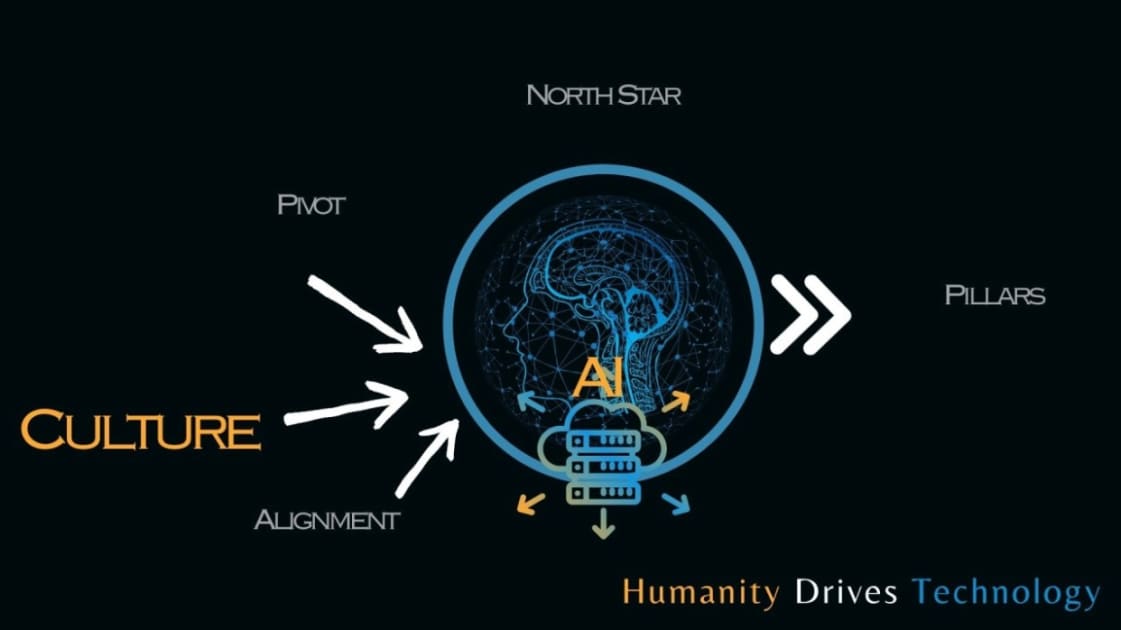
AI Moves From HR Automation to Managerial Decision Support
Until recently, AI in HR focused largely on efficiency. Resume screening, HR chatbots, and automated benefits queries became common across organisations.
In 2026, AI moves further upstream into management decision-making itself.
Organisations are beginning to embed AI into areas such as:
Performance and engagement insights
Promotion readiness and talent visibility
Team productivity and capacity analysis
Rather than replacing managers, AI increasingly acts as a decision-support layer, surfacing patterns that may otherwise go unnoticed. The challenge ahead is no longer experimentation, but integration.
HR teams will need to align AI use cases tightly with everyday managerial workflows while ensuring data quality, context, and fairness across systems.
This evolution mirrors what many enterprises are exploring in advanced delivery ecosystems such as Global Capability Centre (GCC) environments in Bengaluru, where AI is shifting from task automation to context-aware decision enablement.
Faster AI Adoption Makes Governance Non-Negotiable
As AI usage accelerates, so do the risks. One of the biggest challenges HR leaders face is not official AI deployment but unofficial, unmanaged use.
Managers are already using generative AI tools to draft performance reviews, feedback notes, and employee communications, often without clear policy guidance.
In 2026, HR’s mandate expands to include:
Defining acceptable and unacceptable AI use
Creating guardrails for fairness, bias, and transparency
Ensuring compliance with data protection and labour regulations
AI governance is no longer only a legal or IT concern. It is becoming a core HR responsibility, especially as AI increasingly influences hiring, evaluation, and promotion decisions.
Talent Markets Remain Volatile, but Skills Take Centre Stage
Despite ongoing uncertainty in global hiring markets, one priority stands out clearly: skills.
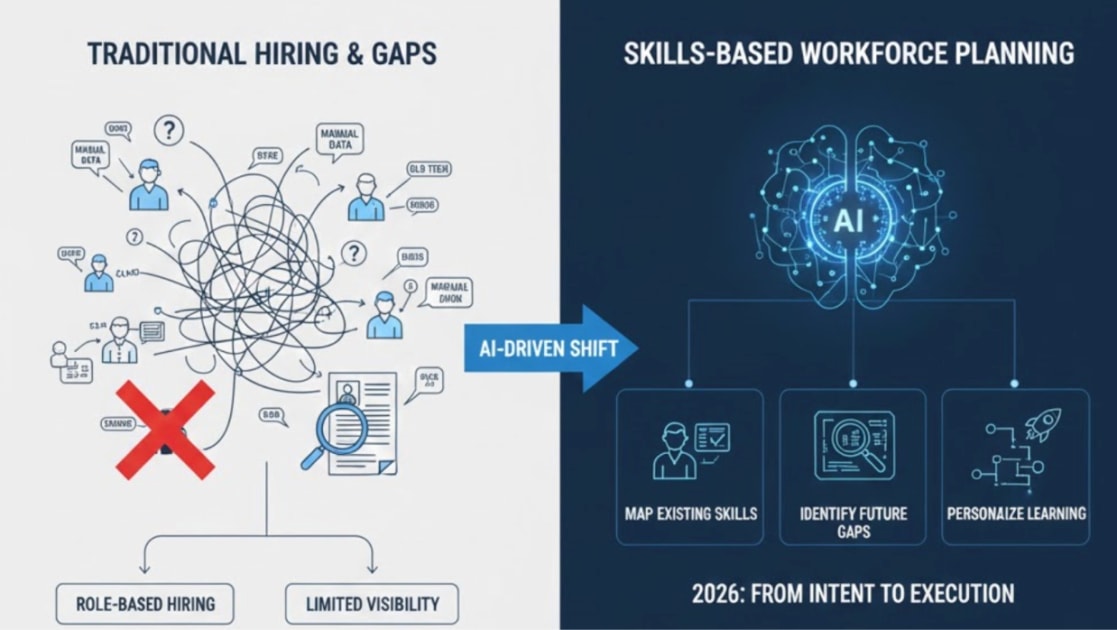
Organisations are shifting from role-based hiring toward skills-based workforce planning. AI plays a growing role by helping HR teams:
Map existing employee skills
Identify gaps aligned with future business needs
Personalise learning, mobility, and career pathways
However, while many organisations recognise the value of AI-driven upskilling, few have implemented it at scale. 2026 will be about moving from intent to execution—using skills data responsibly and ensuring employees have visibility, agency, and trust in how their capabilities are assessed.
Legal and DEI Complexity Enters a New Phase
HR leaders are also preparing for a more complex legal and regulatory environment. Across geographies, new interpretations of discrimination law and workplace equity are reshaping how organisations approach diversity, equity, and inclusion.
HR teams must now balance:
Supporting inclusive and equitable cultures
Remaining compliant across jurisdictions
Clearly documenting and explaining decision-making processes
This makes transparent systems, explainable AI, and consistent policies essential, particularly for organisations operating across regions.
Rebuilding Culture in an Era of Constant Change
Perhaps the most human challenge of all is what researchers increasingly describe as “culture atrophy.” Continuous transformation, restructuring, and digital acceleration have left many employees fatigued or disengaged.
In response, HR leaders are refocusing on:
Manager capability building
Frequent, meaningful check-ins
Continuous feedback instead of annual performance cycles
The insight is simple but powerful: human connection is now a competitive advantage. Organisations that invest in better managers—not just better tools—are more likely to sustain engagement, trust, and performance.
This philosophy is increasingly echoed across enterprise innovation ecosystems, including initiatives supported by SNS Square, where leadership development and responsible AI adoption are treated as complementary priorities, not competing ones.
Looking Ahead
HR in 2026 will not be defined by AI alone. It will be defined by judgment knowing where AI adds value, where human oversight is essential, and how culture, skills, and trust are sustained at scale.
The most effective people functions will be those that treat AI as an enabler of better leadership, not a shortcut around it.
Comments0
Please login to join the conversation
Be the first to comment!